

Two ways to pray that magnify our fellowship with God (from Psalm 66)
If you want to revamp your prayers into a more intimate conversation with God, Psalm 66:16-20 (NLT) offers powerful guidance.
This section of Scripture begins with: “Come and listen, all you who fear God, and I will tell you what he did for me. For I cried out to him for help, praising him as I spoke.”
First, the psalmist says it’s okay to cry out to the Lord (see Psalm 77 for what intense supplication looks like). But the second half of this sentence is what caught my attention: “praising him as I spoke.” Crying out and praise are coupled together.
Yes, we can (and should) do both, even at the same time! Looking back, some of my most intimate moments with the Lord were when I pleaded with him and praised him in the same breath.
The remaining verses in this passage add a second way to build on our relationship with the Father: “If I had not confessed the sin in my heart, the Lord would not have listened. But God did listen! He paid attention to my prayer. Praise God, who did not ignore my prayer or withdraw his unfailing love from me.”
“He paid attention to my prayer.” Why would the psalmist say this, since God knows what we’re going to pray even before we utter the first word? Doesn’t he always hear us?
Of course he does. The emphasis here is not on how to get God’s attention, but on our confession, and how it draws God near with sweet, ready forgiveness. It also intensifies our fellowship with him. “Come close to God, and God will come close to you” (James 4:8).
So, as we pray, let’s not just rattle off the same old words we’ve said before. Let’s thank him, praise him in the middle of our pleas, and confess our sins.
This loving God we pray to won’t just hear us, he’ll draw us ever deeper into him.
Praising him,

Tom Harper
Founder, BiblicalLeadership.com
LinkedIn profile | My books
This Week in Leadership

The Gallup Organization surveyed 2.7 million employees to find out what drives a thriving workplace. They tested 100 million questions. Here are the 12 questions they landed on that best predict a thriving workplace.
by Dr. Parker Houston

Meeting together doesn’t make a team. Reporting to the same CEO doesn’t make a team. Christian Muntean identifies the three ingredients a real team requires.
by Christian Muntean

Ministry can feel lonely, even when it isn’t. Ben Stapley reflects on what it means to hold onto the truth that God is present, in the highs and in the moments when you can barely bring yourself to look to Him.
by Ben Stapley

One-on-one meetings without a clear structure tend to wander. Here is a straightforward five-part agenda that gives both leader and employee something to walk away with every time.
by Joseph Lalonde

Your brain automates your reactions, your assumptions, and the stories you tell yourself about why things keep going the way they go. Kim Levings shares why this is and asks a question to prompt awareness of these “automations.”
by Kim Levings
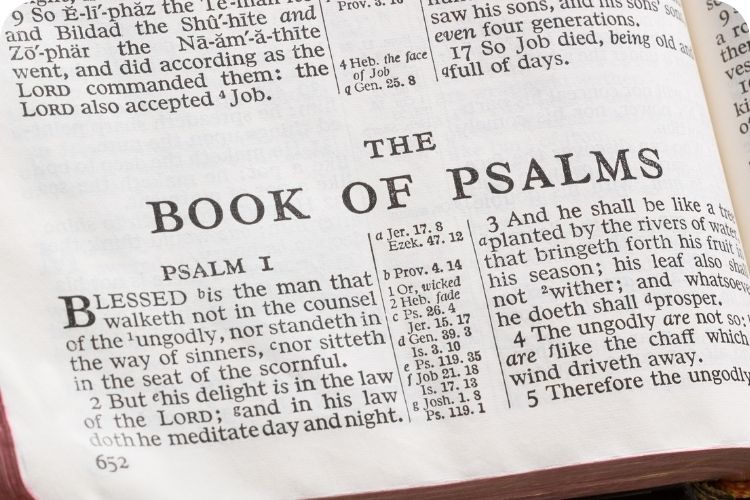
David had a habit of telling God who He is. A simple but powerful reflection on what happens when we call God’s nature and character to mind and speak it aloud.
by David Bowman

Jesus shouldn’t be a drawer in the dresser of your life. He should be the entire dresser. Kyle Idleman and Mark E. Moore make a pointed case for the difference between believing in Jesus and actually following Him into every area of life.
by Kyle Idleman and Mark E. Moore
Free Resource
Defeating Conflict and Criticism
Every leader has walked away from a conflict with nothing resolved and the relationship worse off than before. This free eBook covers five practical strategies for handling communication, conflict, and criticism with wisdom, drawn from Scripture and seasoned leaders across ministry and business.